
The Future Cost of EV Charging: What Businesses Can't Afford to Overlook
Your next EV charging investment could hinge on costs you haven't even considered.
Our new report uses bespoke modelling to explore how commercial EV charging costs could evolve towards 2030, helping you understand your long-term cost exposure and make more informed investment decisions.
Inside the report, discover:
Wholesale electricity costs
Why wholesale electricity is only part of the picture.

Network & connection charges
How rising network charges could affect your energy bills.

Geography
Why location can make a significant difference to what you pay.

Capacity utilisation
How underused grid capacity can make charging more expensive.

Four headline findings
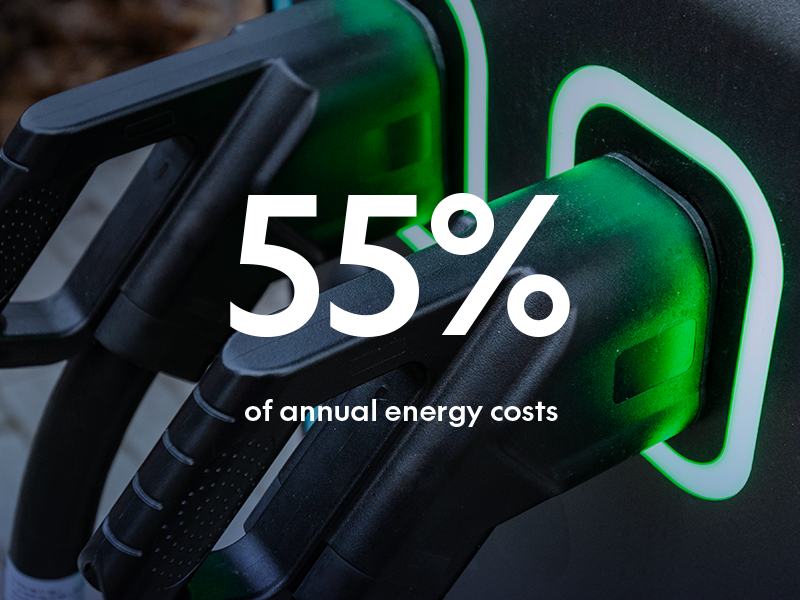
Wholesale is only part of the price
Wholesale electricity accounts for around 55% of the annual energy bill in our modelled DC public charging scenario. Other costs, particularly network charges, are becoming increasingly important.
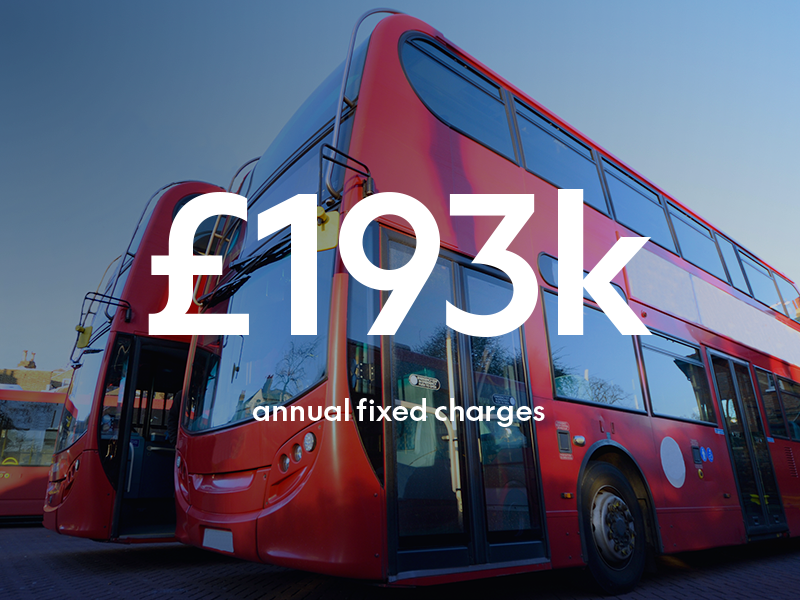
Fixed network costs are rising
Annual TNUoS residual charges for our modelled high-voltage bus depot have risen from £101,000 in 2023 to £193,000 in 2026, with further increases forecast towards 2030.

Location changes the economics
Distribution (DUoS) charges vary significantly across Great Britain. For an identical 5MVA eHGV depot, our modelling reveals differences of more than £100,000 between regions in 2026.
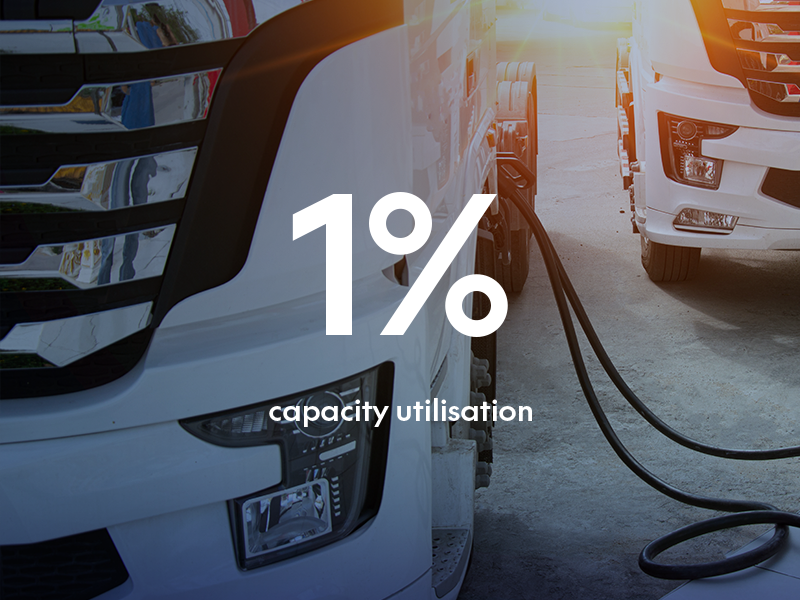
Capacity only pays when it's used
Our modelled eHGV depot achieves just 1% average grid capacity utilisation. Securing capacity ahead of demand can leave operators facing substantial fixed costs before charging volumes build.
Electric freight in action
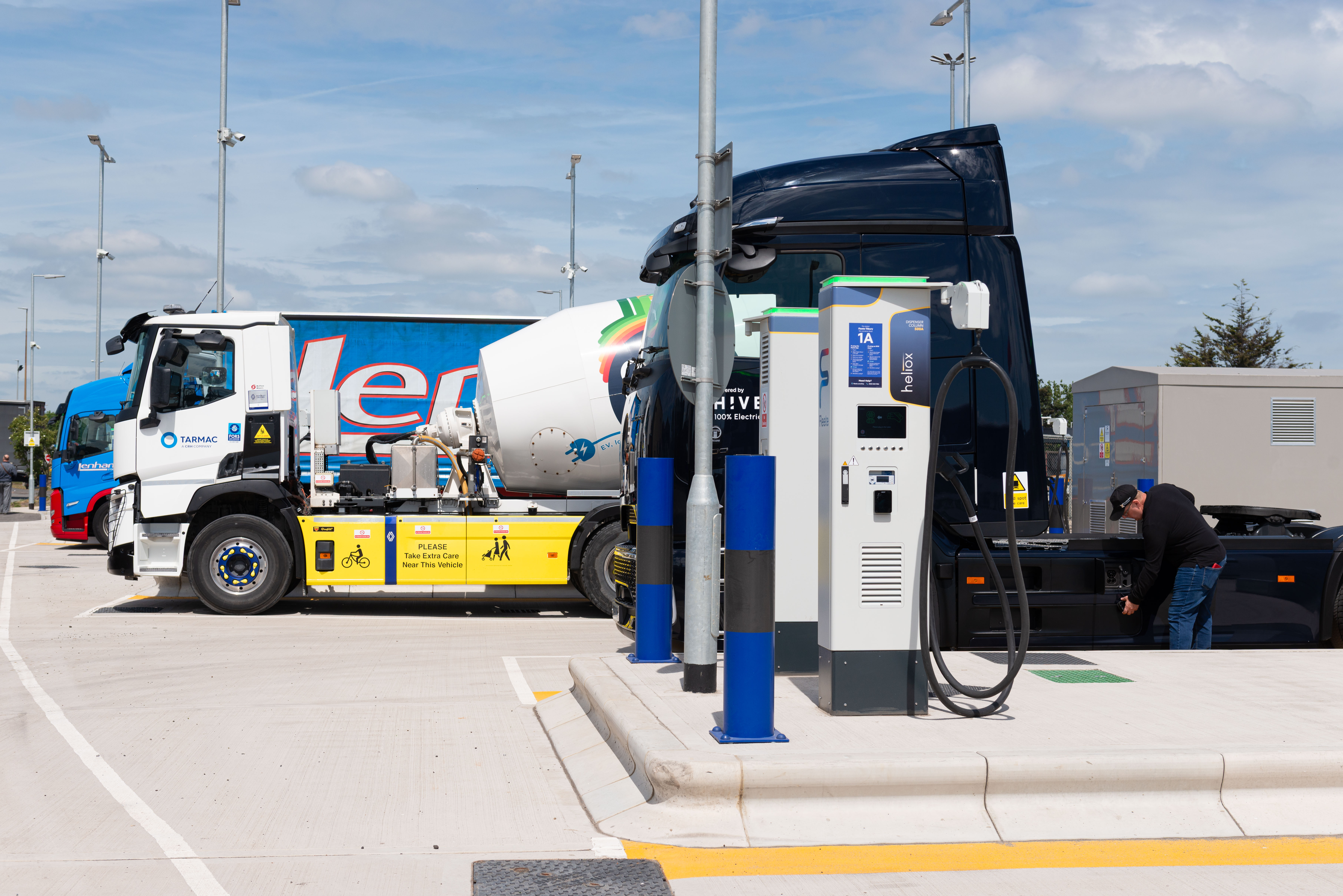
We're powering Fleete's HGV charging network
A flexible supply strategy built to navigate private DNO complexity and adapt as electricity demand grows.

Looking for a smarter approach to transport energy?
FAQs
An EV charging station supplies electricity to an electric vehicle's battery through a dedicated charging connection. AC chargers deliver alternating current, which the vehicle converts into direct current to charge its battery. DC chargers convert electricity before it reaches the vehicle, enabling faster charging at higher power levels.
For commercial operators, charging speed, electricity demand and grid connection requirements are important considerations when planning infrastructure.
The cost of a commercial EV charger depends on its power rating, charging speed and installation requirements. Lower-powered AC chargers are generally less expensive than rapid DC chargers, which require more sophisticated equipment and potentially greater grid capacity.
Beyond the equipment itself, businesses should consider installation, maintenance and ongoing electricity costs when assessing the total investment.
The total cost of a commercial EV charging station depends on the number and type of chargers, site infrastructure, grid connection requirements and available electrical capacity.
Larger installations, such as public charging hubs and fleet depots, may require significant investment in network connections and supporting infrastructure. Ongoing electricity costs, including wholesale prices and network charges, should also be considered when evaluating long-term commercial viability.
Commercial EV charging costs are influenced by several factors beyond the wholesale electricity price. These include network and connection charges, geographical location, charging patterns and how effectively available grid capacity is used.
Brook Green Supply's modelling demonstrates how these factors can produce significantly different cost profiles across public charging hubs, bus depots and electric HGV operations.
Yes. Electricity distribution charges vary across Great Britain, meaning otherwise identical charging operations can face different network costs depending on where they're connected.
Our modelling found a difference of more than £100,000 in annual distribution network charges across four selected regions for an identical electric HGV depot in 2026. This makes location an important consideration when planning new charging infrastructure.
Managing commercial EV charging costs starts with understanding when and how electricity is consumed, alongside the network charges associated with the site.
Businesses may be able to reduce costs by optimising charging schedules, aligning grid capacity with demand, reviewing their electricity procurement strategy and exploring on-site generation or battery storage.
Considering these factors early can help avoid unnecessary costs as charging operations expand.