Creating a Flexible Energy Model for Fleete’s Electric Freight Network

Get in touch
9e
How a flexible supply strategy helped Fleete navigate private DNO complexity and scale electric HGV charging infrastructure.
Industry: Freight transport
Location: United Kingdom

Fleete logo

Challenge

Powering the future of electric freight infrastructure

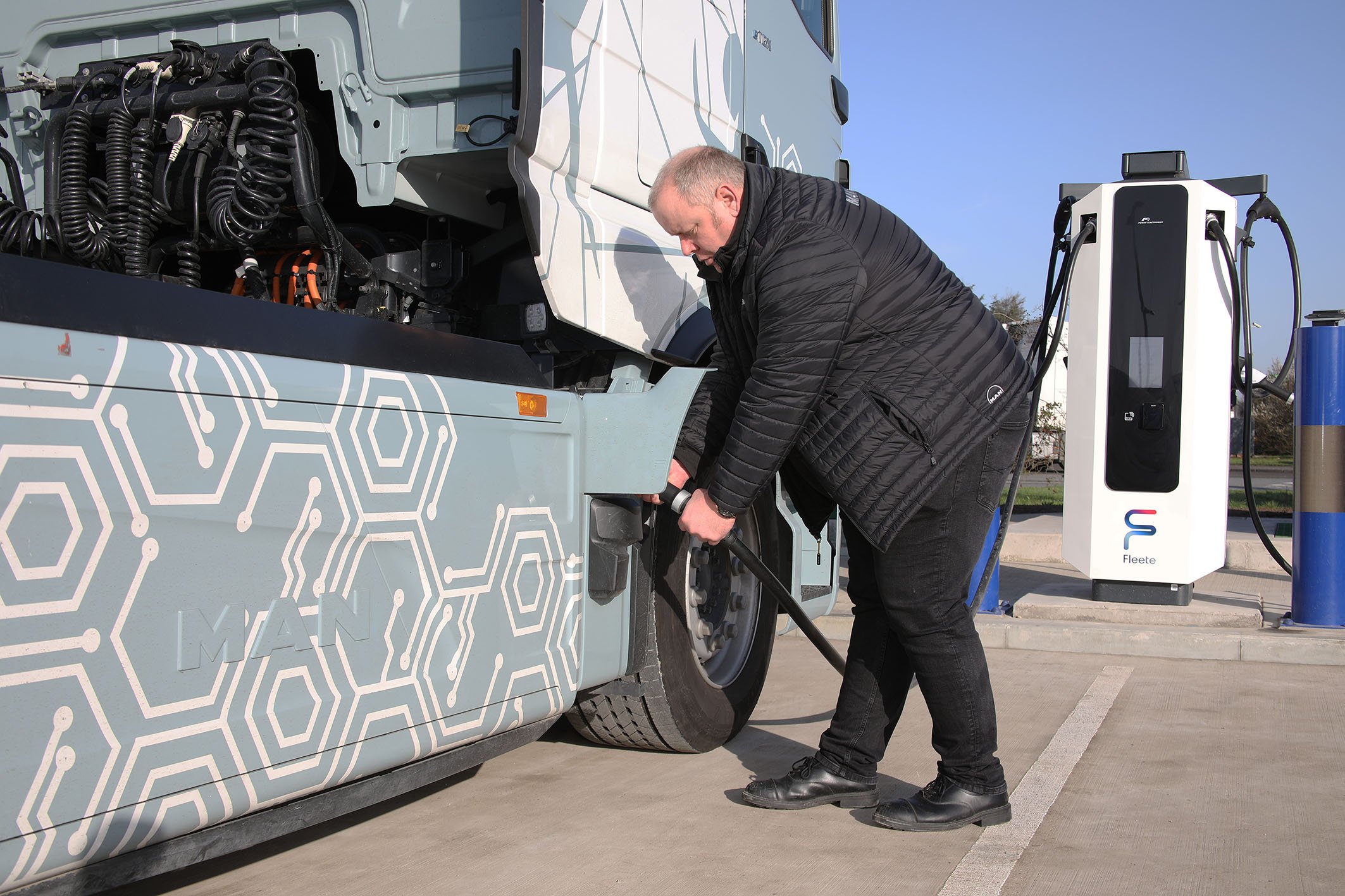
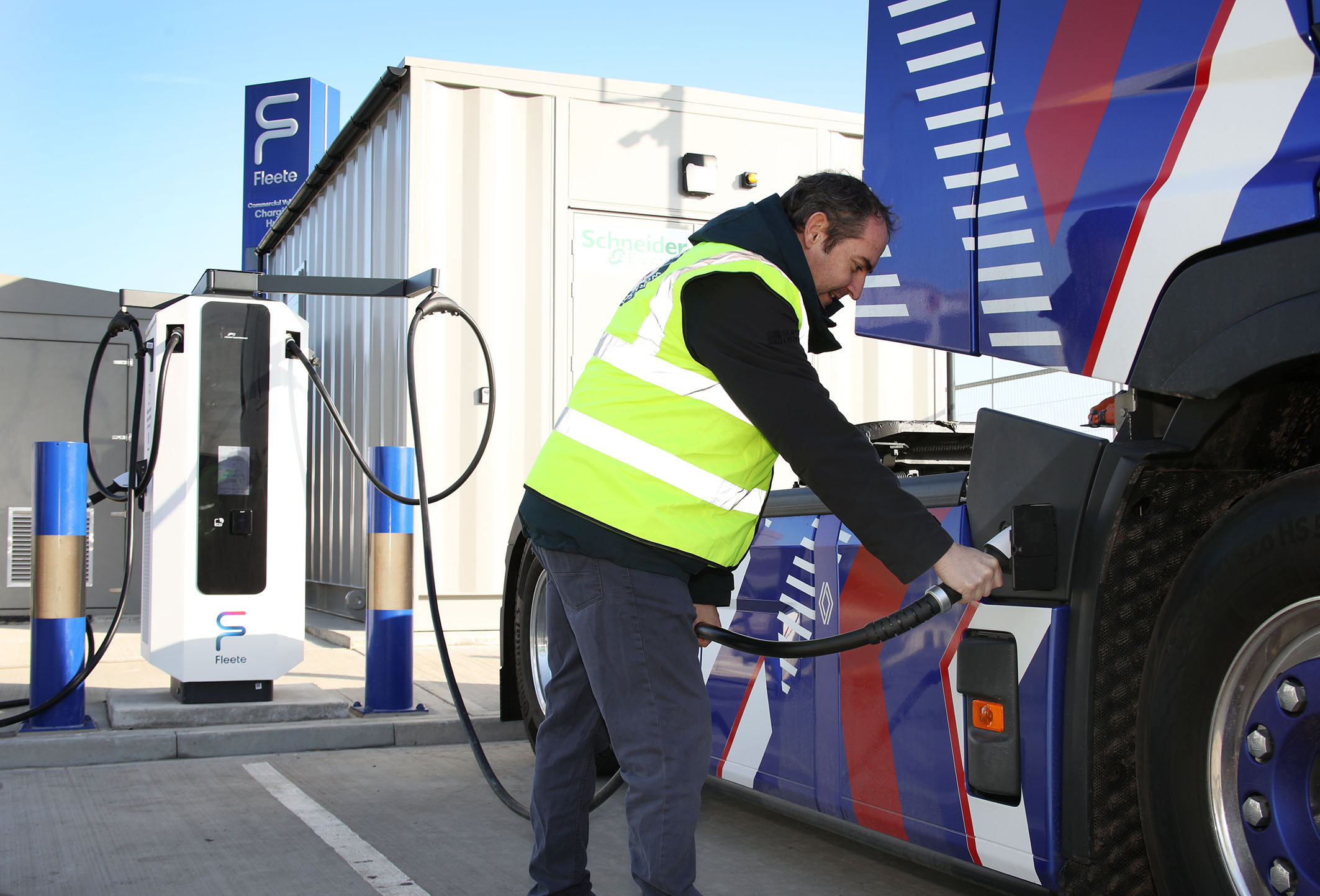
Starting at the Port of Tilbury, Fleete is laying the foundations for one of the UK’s largest HGV charging networks - a landmark step in the transformation of British freight. But powering the next generation of electric logistics demanded far more than simply securing an energy contract.

The Port is both a private Distribution Network Operator (DNO) and an electricity supplier, creating a more complex supply environment than a standard grid connection. Any third-party supplier would need to operate within bespoke network governance arrangements and comply with a mandatory third-party supply agreement.

At the same time, the Port was locked into a fixed energy contract agreed during the height of the cost-of-living crisis, limiting flexibility and exposing the businesses within the Port to high costs. Non-commodity charges are also passed through the Port’s private network, adding further layers of complexity to cost visibility and planning.

Beyond procurement, the challenge was one of first-of-a-kind scale. As one of the UK’s largest HGV charging hubs, there was no established benchmark for modelling demand, requiring forecasts to be built without historical charging data or proven market behaviour.

The team needed to understand:

  • How quickly freight fleets would electrify

  • How HGV traffic flows would evolve over the next 20 years

  • How much energy the site would ultimately consume

  • What charging utilisation would look like at megawatt scale

Forecasting became critical. With approximately 8,000–9,000 HGVs moving through the Port each day, and regulations driving all new trucks towards zero emission powertrains by 2040, the long-term demand potential was significant – but difficult to model accurately.

Fleete wasn’t just looking for a competitive energy rate. The business needed a long-term partner capable of navigating private network arrangements, managing uncertainty, and supporting future expansion plans across the UK.

Solution

Building a flexible supply strategy around long-term growth

Brook Green Supply partnered with Fleete to design an energy supply model built specifically for the realities of large-scale HGV charging infrastructure.

Rather than treating the project as a standard procurement exercise, the focus was on designing around the Port’s private DNO structure. This meant working within bespoke governance arrangements and establishing a compliant third-party supply solution that could operate inside a constrained network environment.

A major focus was forecasting future demand. With no established benchmarks for megawatt-scale HGV charging, Brook Green Supply supported Fleete in building a demand model from first principles. This combined Department for Transport data, HGV traffic patterns, projected electrification rates, and early utilisation assumptions to create a structured view of future consumption.

The resulting dashboard became a central part of the tender process, helping model energy demand over the coming decades and informing purchasing strategy, infrastructure planning, and capacity requirements.

Flexibility was embedded into the structure from the outset. Recognising that utilisation patterns would evolve as operations scaled, the agreement included periodic forecast reviews and adaptable supply arrangements to reflect real-world demand.

The final model combined flexible energy procurement with fixed non-commodity pricing under a flex-lite structure, giving Fleete greater cost visibility while preserving the agility needed to scale.

Outcome

Creating an energy partnership designed for scale

Brook Green Supply helped Fleete move away from an inflexible, high-cost supply arrangement and establish a long-term energy strategy aligned with the realities of electric freight infrastructure.

The partnership enabled Fleete to launch and scale operations within the Port of Tilbury’s private DNO environment, with significantly improved visibility over both cost exposure and future demand requirements.

Rather than relying on static procurement, Fleete now operates with a structured framework that can evolve alongside real-world utilisation, supporting more informed decisions on infrastructure rollout and capacity planning.

This approach is also supporting wider expansion plans across the UK logistics network, including:

  • Megawatt charging infrastructure scaling from 1.2MW upwards

  • Planned new charging hubs in Birmingham and other major logistics locations

  • Potential additional capacity of 20–30MW across future UK sites

  • Participation in proposed Scottish freight corridor projects

With a more adaptable energy model in place, Fleete is positioned to scale its HGV charging network in line with the UK’s freight electrification journey.

"Brook Green Supply stood out to us for their thorough tender response and open, engaged communication that showed a genuine willingness to understand and support our specific requirements."
Alex Christopherson
Project Engineer, Fleete

Background Pattern

Looking for a more intelligent energy strategy for your electric freight infrastructure?

Energy news straight to your inbox